
Protecting Your Organization From Hidden Construction Costs
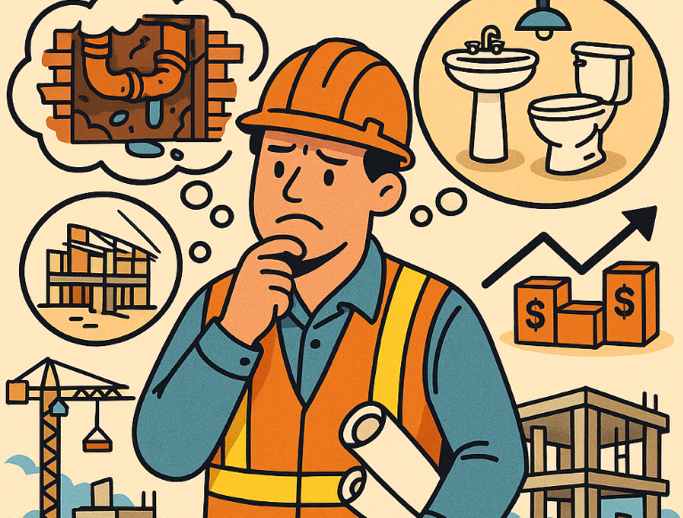
Preparation is one of the hallmarks of a strong construction operation. Jobs are scheduled months in advance, crews are staffed appropriately, materials are planned for, and projects move forward with confidence. If organization were the only variable, most construction managers would feel well covered.
And to be fair, many are.
The challenge is that even the most prepared teams cannot plan for every surprise. Hidden construction costs have a way of appearing mid-project, disrupting budgets, schedules, and profitability. These costs rarely come from poor management. More often, they come from conditions that only reveal themselves once work is underway.
Common Sources of Hidden Construction Costs
Unforeseen Conditions
A renovation project may appear straightforward on paper. The scope is clear, the code requirements are understood, and the crew is ready. Then walls are opened and hidden issues surface, such as rotted subflooring, outdated plumbing, or structural deficiencies that must be corrected to meet current standards. Addressing these conditions often requires additional labor, materials, and coordination, along with difficult conversations about cost adjustments.
Client Scope Changes Even well-defined projects are not immune to changing priorities. A client may revise their needs midway through construction, expanding scope or altering design decisions. While these changes are sometimes necessary, they introduce rework, remobilization, and additional material costs that were not part of the original plan.
Vendor Delays
Many projects depend heavily on third-party suppliers. A delayed shipment of fixtures, hardware, or specialty materials can force teams to scramble for alternatives, often at a premium. When client deadlines cannot move, expedited shipping or last-minute sourcing becomes the only option, driving costs higher.
Material Price Increases Material pricing can shift between bid submission and project start. When costs rise unexpectedly, contractors are often left with limited leverage. In some cases, absorbing the increase is the only way to keep the project moving and preserve the relationship, even if it means reduced margins.
Most contractors have encountered all of these situations at one time or another. They adapt, solve the problem, and move on. But over time, these hidden costs compound, quietly eroding profitability.
Reducing Exposure to Hidden Costs
While no system can eliminate uncertainty entirely, better visibility and planning can significantly reduce its impact.
Leverage Historical Job Data Past projects offer valuable insight into future risk. Work completed in similar regions, building types, or eras often reveals patterns. If older buildings in a specific area consistently present certain issues, that knowledge can inform estimates, contingency planning, and client conversations before work begins.
Maintain Vendor Performance Awareness Keeping a clear record of vendor reliability helps teams respond faster when issues arise. Knowing which suppliers consistently meet commitments and which ones struggle during peak periods allows contractors to plan backups, confirm schedules more proactively, and avoid unnecessary surprises.
Understand Client History Reviewing how previous projects with the same client unfolded can provide important context. Frequent change orders, resistance to cost adjustments, or last-minute requests are all indicators that additional planning or communication may be needed. Awareness allows teams to prepare rather than react.
Track Labor and Material Trends
Monitoring labor usage and material costs across projects helps teams anticipate what changes might mean for current work. Recognizing trends in pricing or crew requirements allows for quicker adjustments when scope shifts or conditions change.
Hidden construction costs are part of the industry. They are not a sign of failure. The difference between organizations that absorb these costs and those that manage them effectively often comes down to preparation, visibility, and the ability to learn from past work.
You cannot plan for every surprise, but you can put yourself in a position to respond with clarity and control when they appear.
Curious what hidden construction costs could be found through automating processes? We’re building tools like this every day at AutomateBetter.ai … reach out and let’s chat about how we can automate some of your most time-consuming processes at hello@automatebetter.ai